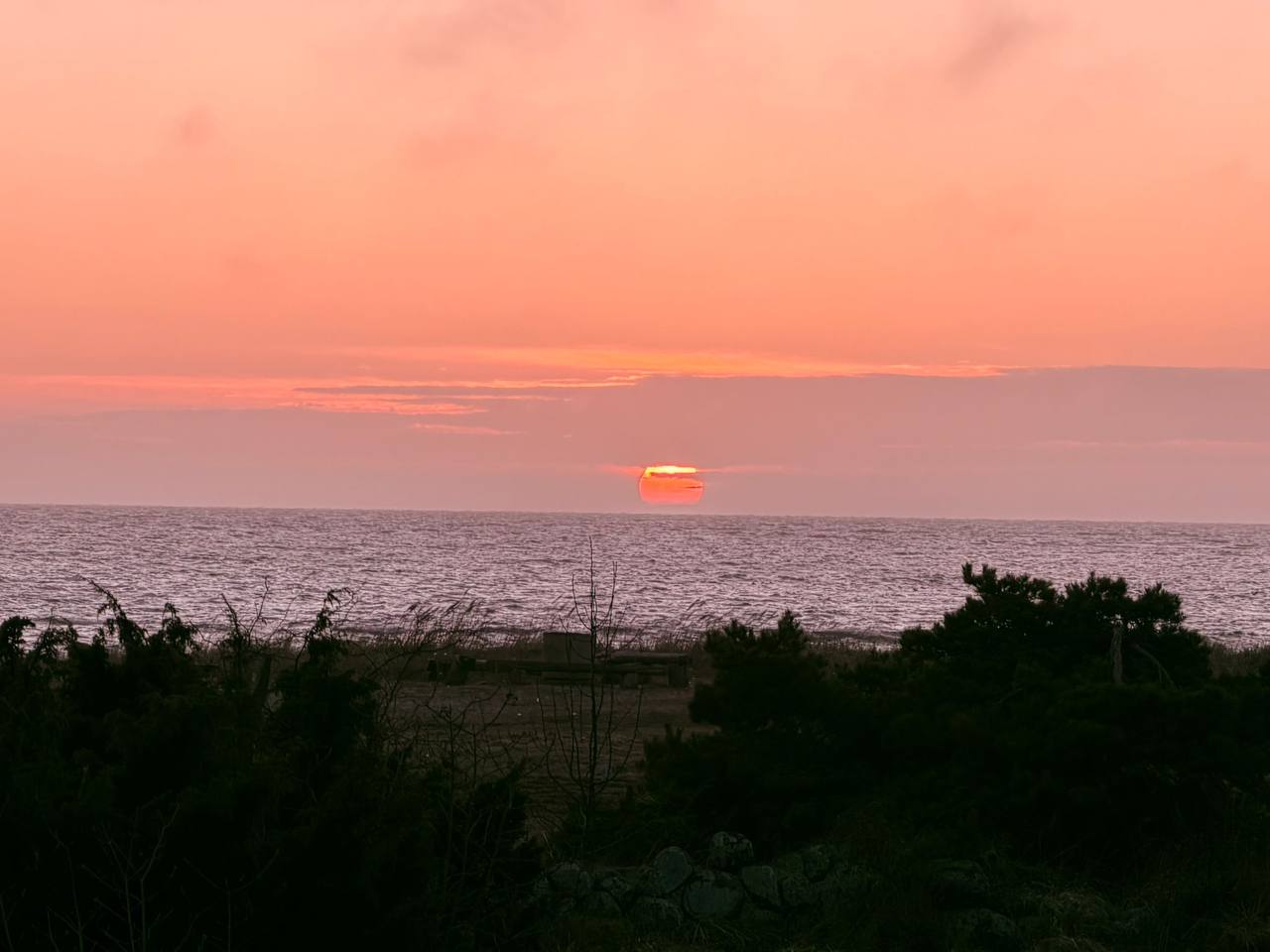
Hemp is one of the Nordic region's oldest cultivated plants. Pollen analyses from the Oslofjord show more hemp pollen than flax pollen as early as 350 BC, hemp was one of the most prominent crops in early Nordic agriculture. Cultivation in Europe began as far back as the Copper and Bronze Ages, and the plant has accompanied Nordic life longer than most countries, languages and festivities, including the midsummer celebration.
Has hemp been present in the Nordic region for a long time?
Hemp is not new to the Nordic region, it is one of our oldest cultivated plants. Pollen analyses from sediment in the Oslofjord show considerably more hemp pollen than flax pollen as far back as 350 BC, during the Iron Age, before the Nordic region even had a written language. More hemp than flax in the soil makes hemp one of the most prominent crops in early Nordic agriculture. Leading research in the field places cannabis cultivation in Europe as early as the Bronze and Copper Ages. The plant then remained, through the Viking Age, the Middle Ages and the Hanseatic period. Read more about the history of hemp.
| Time | Hemp in the Nordic region |
|---|---|
| 350 BC (Iron Age) | More hemp pollen than flax (Oslofjord) |
| Viking Age (~834) | Hemp fibre in textiles; hemp seeds in the Oseberg grave |
| 1942–1952 | ~2,000 ha/year cultivated in Sweden |
| Mid-1960s | Cultivation banned in Sweden |
| Today | Industrial hemp below 0.3% THC is legally cultivated |
What does hemp have to do with midsummer?
Midsummer celebrates the longest light, the point in the year when the day is at its highest and the Nordic summer landscape is at its most alive. Hemp belongs precisely in that landscape. It is one of the oldest plants used by people here, older than the very festivity we celebrate today. Celebrating the longest day is, in a sense, celebrating something very old together with the land, and hemp has been present the whole way along. Summer Solstice. The longest light, for the hemp, and for us.
Did the Vikings cultivate hemp?
Yes. In 2013, researchers from Uppsala University, the Swedish History Museum and the University of Bergen showed that of ten carefully examined Scandinavian textiles from the Viking Age and early Middle Ages, four contained hemp fibres, among them the Överhogdal tapestries, one of Sweden's most celebrated cultural treasures. The Vikings deliberately chose hemp for hard-wearing, fine and weather-resistant fabrics. And in one of the richest graves of the Viking Age, the Oseberg ship (834), a woman carried a pouch of hemp seeds at her belt. Read about the woman in the Oseberg grave and the Swedish Viking-Age textiles.
Does hemp grow in Sweden today?
Yes. Industrial hemp below 0.3% THC is legally cultivated in Sweden as an agricultural crop. Between 1942 and 1952, around 2,000 hectares of hemp were cultivated per year in the country, before cultivation was banned in Sweden in the mid-1960s and a tradition spanning several centuries vanished in a single generation. Today the plant is on its way back. Helsama processes hemp from Gotland, a small part of a very long Nordic thread.