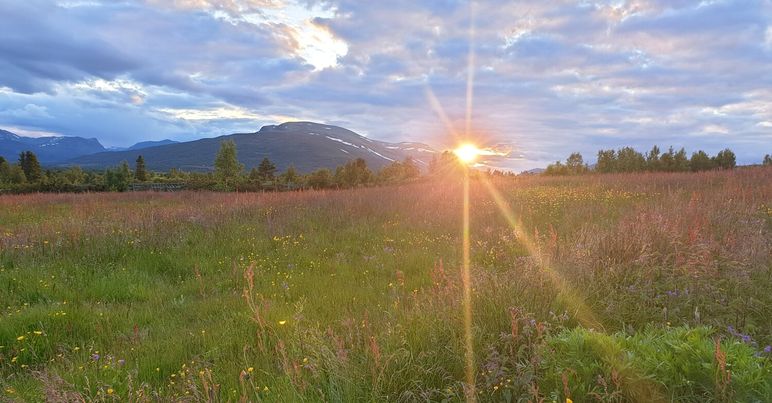
Hemp grown in northern Europe develops under conditions that are fundamentally different from those found further south. Daylight and environment play a crucial role in how the plant matures.
On Gotland, hemp cultivation is shaped by long summer days, clean air, and mineral-rich soils. During the height of summer, the plants receive extended daylight hours, which partly enables their remarkable harvest.
A single cultivation cycle, defined by nature
Nordic hemp cultivation follows a single annual harvest. Unlike in southern Europe, where multiple harvests per year are possible, the Nordic climate naturally limits production to one cycle.
| Gotland / Northern hemp | Southern Europe | |
|---|---|---|
| Harvests per year | One | Multiple |
| Summer daylight | Extended | Shorter |
| Soil & pollution | Mineral-rich limestone, low industrial pollution | More variable |
| Varieties | Exclusive new EU varieties (via Hempland) | Similar varieties, different result |
Exclusive varieties and controlled production
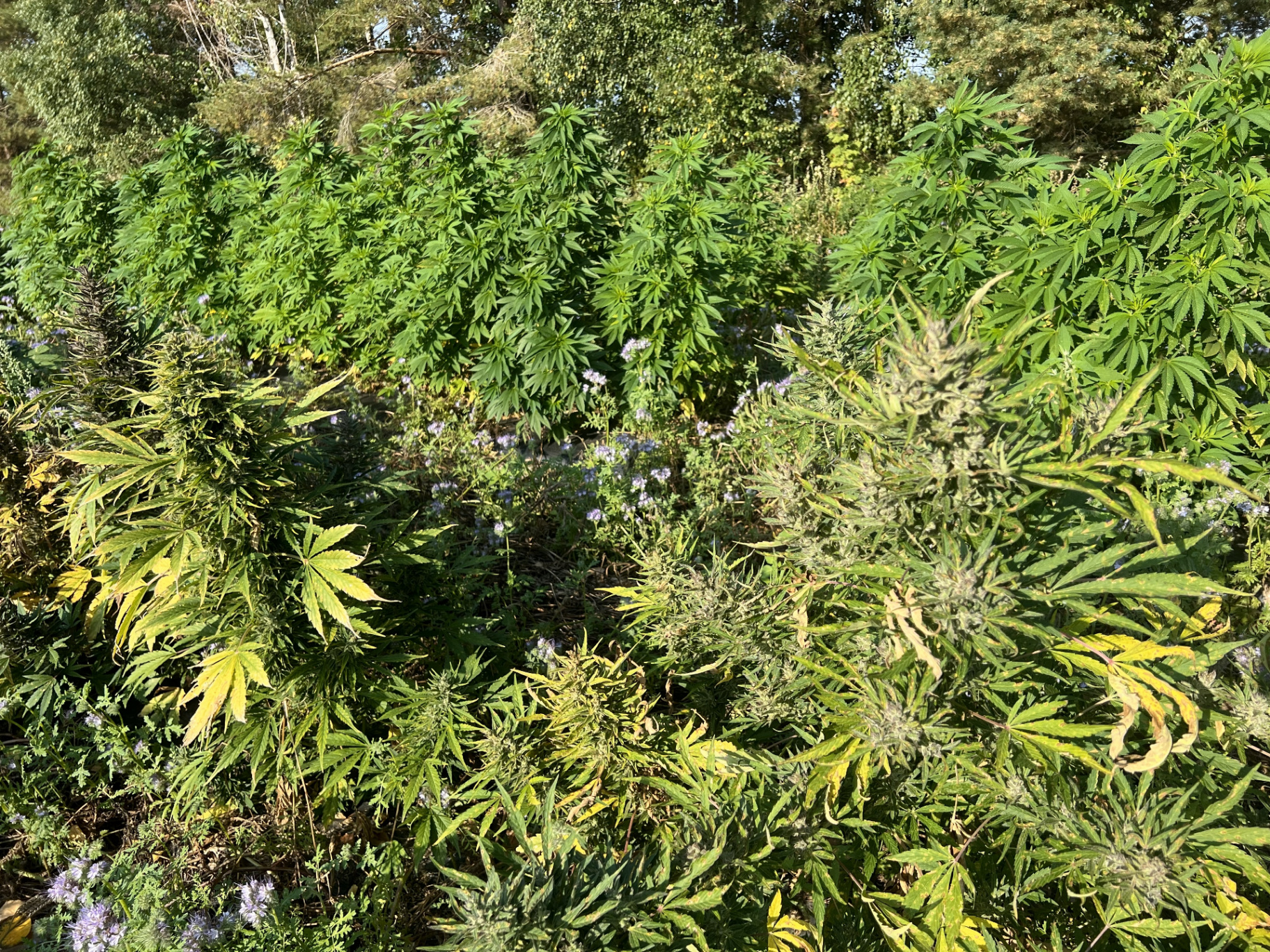
The hemp grown on Gotland is produced by Hempland, an exclusive grower with sole rights to new hemp varieties that became legal in the EU last year. These varieties may not be grown in Scandinavia or the Baltics by any other producer.
This makes the cultivation on Gotland unique not only due to its geography, but also its genetics. Although similar varieties can be grown in parts of southern Europe, the Nordic environment yields a distinctly different result.
Pure soil as a foundation for quality
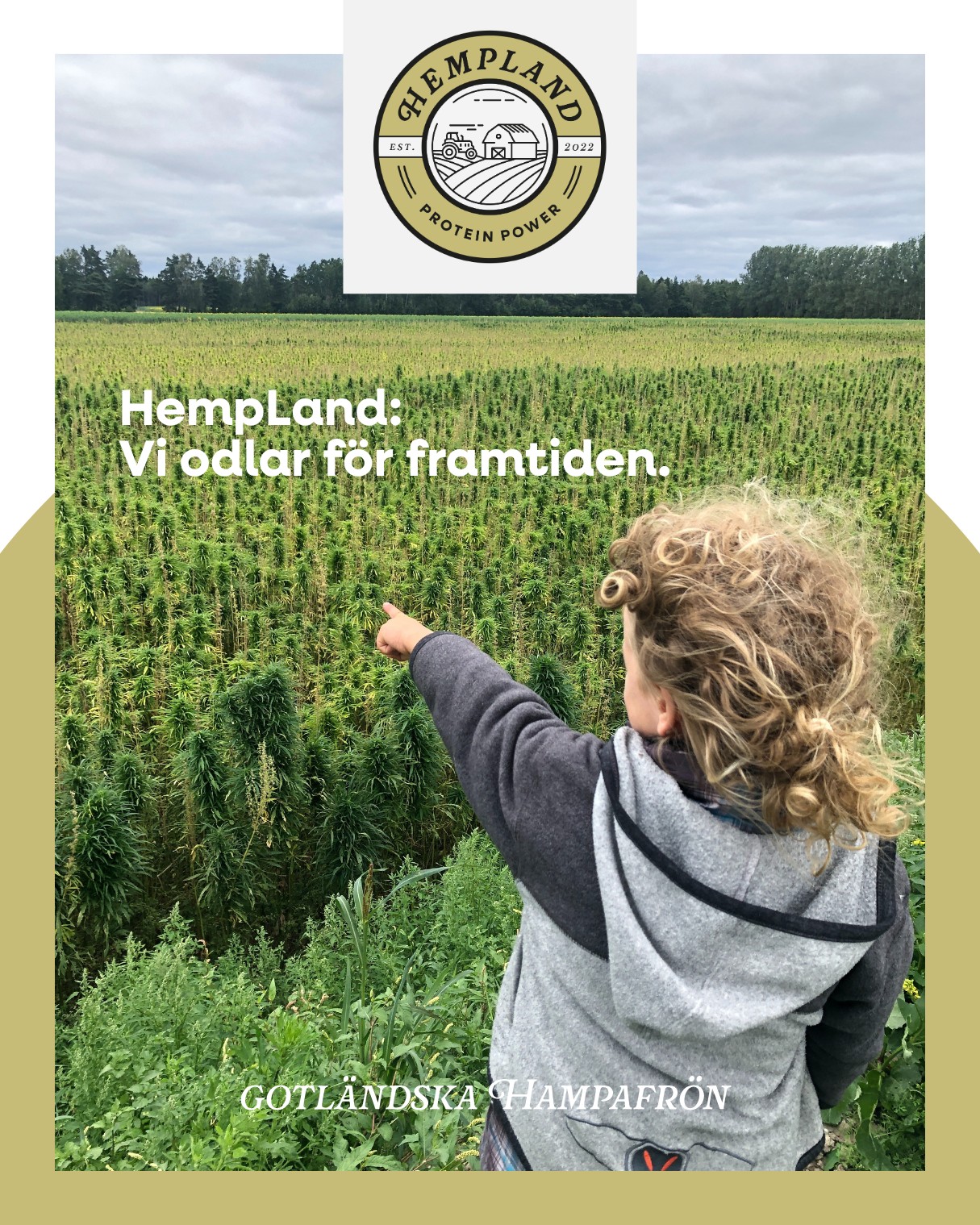
Soil quality is crucial in hemp cultivation. Hemp is known for its ability to absorb heavy metals and other unwanted substances from the soil, a characteristic that has made it useful in environmental remediation. This also means that the condition of the soil directly affects the quality and purity of the final harvest.
In northern regions like Gotland, levels of industrial pollution are significantly lower than in many other parts of Europe. The soil has been exposed to fewer pollutants over time, providing a cleaner starting point for cultivation.
Instead of compensating for environmental stress or contamination, growth is shaped primarily by natural factors.
This is one reason the results achieved through the exclusive production chain between Hempland and Helsama are difficult to replicate elsewhere. The quality of the harvest is not driven by yield optimisation, but by the combination of pristine soil, extended sunlight, and a Nordic environment largely unaffected by heavy pollutants.
A closed and transparent production chain
Helsama is the only brand working directly with Hempland to bring this harvest to market. Together, they constitute the sole production chain offering hemp grown under these Nordic conditions, with these exclusive varieties.
From cultivation to finished product, the process is controlled, traceable, and limited by nature itself. This combination of environment, genetics, and exclusivity defines both the quality and rarity of hemp from Gotland.
The Gotland terroir is just the beginning,the processing stage determines how much of the location's unique character is carried through.
Frequently asked questions
Why is hemp from Gotland unique?
It combines mineral-rich limestone soil, extended northern summer daylight, low industrial pollution and a single annual harvest, plus exclusive EU varieties grown only through the Hempland–Helsama chain.
How many harvests per year does northern hemp have?
One. The northern climate naturally limits cultivation to a single annual cycle, unlike southern Europe's multiple harvests.
What makes Gotland's soil cleaner?
Northern regions like Gotland have had far less industrial pollution over time, giving a cleaner starting point, and hemp absorbs substances from the soil, so a clean soil means a purer harvest.
Rarity shaped by the environment
Nordic hemp is not designed for mass production. Its value lies in the conditions under which it is grown, long daylight hours, clean surroundings, and a single annual harvest shaped by climate rather than optimisation.
Hemp from Gotland represents a method of cultivation where quality is the result of environment and restraint, and rarity is a natural consequence of the location.