Hemp is one of humanity's oldest cultivated plants, used for thousands of years for textiles, food, medicine, and rituals. Despite this, hemp is today often wrongly associated with modern drug policy and criminality.
One of humanity's oldest cultivated plants
According to McPartland et al., Vegetation History and Archaeobotany, 2018; Ren et al., Science Advances, 2021, hemp is one of the oldest plants cultivated by humans. Archaeological finds show that hemp was cultivated several thousand years ago in Asia, and then spread along trade routes to Europe, Africa, and the Middle East.
The uses were many: fiber for textiles and ropes, seeds for nutrition, and plant parts in traditional medicine.
Hemp in Europe and the Nordic region
Research from Lund University shows that hemp has had a long and stable role in European agriculture. In Northern Europe, including Scandinavia, hemp was cultivated for centuries as a strategically important crop for textile production, sails, ropes, and household use.
In a society dependent on seafaring and trade, hemp was not a marginal crop but a necessary resource. In Sweden and the rest of the Nordic region, hemp appears in both archaeological and historical sources.
Archaeological finds: The Oseberg Ship
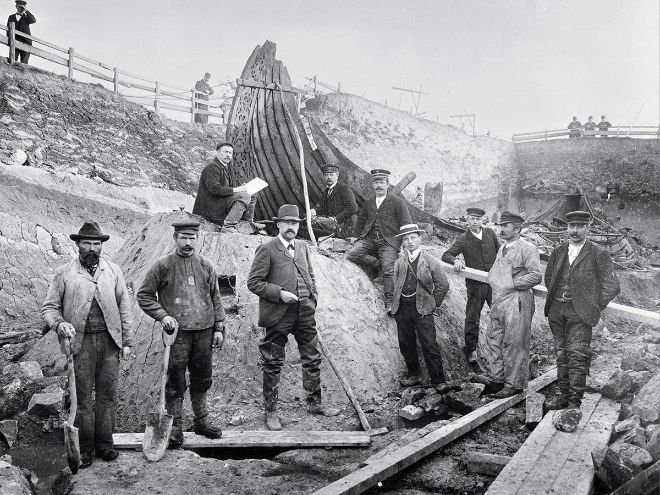
One of the most concrete pieces of evidence for hemp's presence in the Nordic region is found in the Oseberg find in Norway. Oseberg is a Viking Age ship burial from 834 AD, one of the most significant archaeological finds from the Viking era.
In analyses of the grave goods, researchers have identified hemp seeds among the organic remains.
Historical use
In China, hemp has a documented history stretching back several thousand years. A comprehensive scientific review published in PubMed Central describes how hemp is mentioned in classical Chinese texts.
Religion, culture and society
In India, hemp has had a particularly strong cultural role. A central part of this tradition is bhang, a preparation of hemp leaves used in drinks and food during religious festivals such as Holi and Maha Shivaratri.
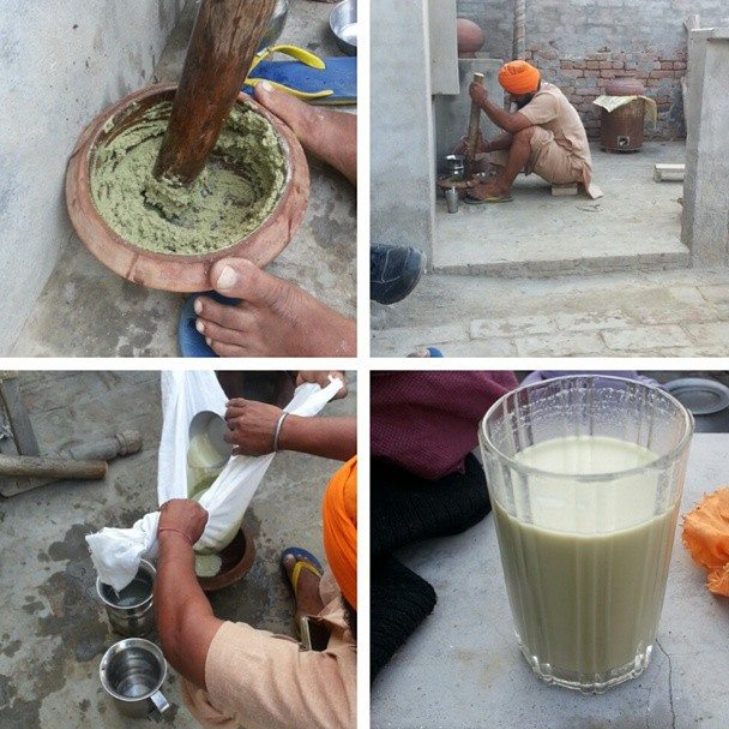
Modern research continues to reveal new aspects of the hemp plant's potential. A 2025 study in Journal of Chromatography A shows that researchers have identified previously unknown bioactive compounds in hemp leaves, further broadening our understanding of the plant's potential. If you want to understand what premium CBD is and why quality matters, we have written an in-depth article about this.
Summary
Hemp is one of humanity's oldest cultivated plants, used for thousands of years for textiles, nutrition, medicine, religion, and everyday use in large parts of the world. Archaeological and historical sources show that the plant has had an obvious role in Asia, Europe, the Nordic region, and India long before modern legislation existed.
In Scandinavia, hemp was an important crop for rope and textiles, and the seeds in the Oseberg find are the first certain evidence that it grew here.